Academic writing can be challenging, and many students fall into common mistakes that weaken their work. This guide highlights key pitfalls in thesis, essays, and projects, with practical tips on how to avoid them.
Introduction
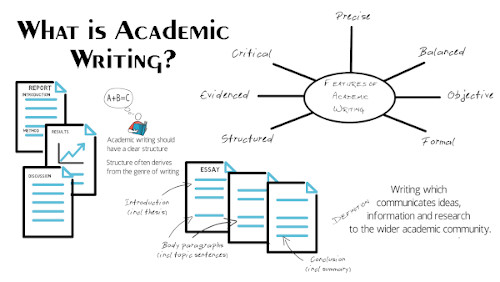
Academic writing is an essential skill for every student. Whether you are drafting a term paper, essay, project report, or thesis, your ability to communicate ideas clearly and persuasively often determines your academic success. Unfortunately, many students make repeated errors that affect the quality of their work.
In this article, we explore the most common mistakes in academic writing and provide strategies to avoid them. Understanding these pitfalls will help you strengthen your writing, improve your grades, and build confidence in presenting your research.
Mistake 1: Lack of a Clear Thesis Statement
A thesis statement is the backbone of any academic paper. Many students either omit it, make it too broad, or fail to make it arguable.
Why this is a mistake: Without a clear thesis, your writing lacks direction, leaving readers unsure of your central argument.
How to avoid it:
- Clearly define your main argument in one or two sentences.
- Ensure it is specific and debatable.
- Revisit and refine it after completing your draft.
Example:
Weak: “Education is important for students.”
Strong: “Access to digital learning tools significantly improves student performance in higher education.”
Mistake 2: Poor Structure and Organization
Disorganized writing confuses readers. Common issues include mixing ideas, failing to use paragraphs effectively, or presenting points without logical order.
Why this is a mistake: Academic writing should flow logically, guiding readers from one idea to the next.
How to avoid it:
- Use a clear outline before writing.
- Structure your essay with an introduction, body, and conclusion.
- Use topic sentences at the beginning of paragraphs.
- Apply transitions between sections.
Mistake 3: Overuse of Informal Language
Many students write essays as though they are having a casual conversation. Words like “stuff,” “a lot,” or “kind of” weaken academic tone.
Why this is a mistake: Academic writing requires precision, objectivity, and formality. Informal words reduce credibility.
How to avoid it:
- Replace casual words with precise terms.
- Avoid contractions (e.g., use “cannot” instead of “can’t”).
- Maintain a professional tone throughout your work.
Example:
Informal: “A lot of students kind of struggle with exams.”
Formal: “Many students encounter significant challenges during examinations.”
Mistake 4: Weak Evidence and Unsupported Claims
Students often make bold claims without backing them with credible sources.
Why this is a mistake: Academic writing relies on evidence to persuade. Unsupported claims reduce the reliability of your work.
How to avoid it:
- Use peer-reviewed journals, books, and credible sources.
- Provide citations for every major claim.
- Balance opinions with facts and data.
Example: Instead of writing “Technology helps students learn better,” cite a study that demonstrates the impact of technology on student performance.
Mistake 5: Plagiarism and Poor Referencing
Plagiarism, whether intentional or accidental, is a serious academic offense. Many students also misuse referencing styles or fail to cite correctly.
Why this is a mistake: Plagiarism undermines academic integrity and can result in penalties.
How to avoid it:
- Always acknowledge sources using the required style (APA, MLA, Chicago, etc.).
- Use plagiarism detection tools before submission.
- Paraphrase ideas rather than copy-pasting.
Mistake 6: Overdependence on Direct Quotations
Quotations are useful, but excessive reliance on them shows a lack of original thought.
Why this is a mistake: Your paper should reflect your understanding, not just a collection of others’ words.
How to avoid it:
- Use quotations sparingly, only when necessary.
- Paraphrase ideas in your own words while citing sources.
- Ensure your analysis connects the quotation to your argument.
Mistake 7: Wordiness and Repetition
Students sometimes use unnecessary words to meet word count requirements.
Why this is a mistake: Wordy sentences make writing unclear and repetitive ideas bore readers.
How to avoid it:
- Write concisely.
- Eliminate redundant phrases.
- Proofread to cut unnecessary words.
Example:
Wordy: “Due to the fact that students are very busy, they do not have enough time.”
Concise: “Because students are busy, they lack sufficient time.”
Mistake 8: Neglecting Academic Style Guidelines
Each assignment requires specific formatting, referencing, and writing conventions. Ignoring these leads to deductions.
Why this is a mistake: Non-compliance with guidelines signals carelessness.
How to avoid it:
- Review the assignment instructions carefully.
- Follow the required citation style consistently.
- Use formatting tools (like citation managers) to stay organized.
Mistake 9: Weak Introductions and Conclusions
Students often start too vaguely and end abruptly without reinforcing their points.
Why this is a mistake: Introductions set the tone, while conclusions leave a lasting impression. Weak openings or endings reduce impact.
How to avoid it:
- Begin with context, then narrow down to your thesis.
- Summarize key points in your conclusion.
- End with a strong final thought or implication.
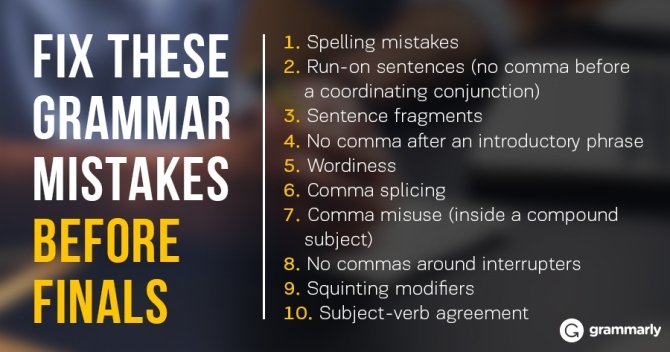
Mistake 10: Ignoring Proofreading and Editing
Submitting work without proofreading is one of the most common errors.
Why this is a mistake: Grammar, spelling, and punctuation mistakes undermine clarity and professionalism.
How to avoid it:
- Take a break before proofreading.
- Use grammar tools like Grammarly or Hemingway.
- Ask a peer or mentor to review your work.
Mistake 11: Overgeneralization
Students often make sweeping claims without considering exceptions or limits.
Why this is a mistake: Overgeneralization reduces accuracy and may mislead readers.
How to avoid it:
- Use qualifiers like “often,” “some,” or “in many cases.”
- Support general claims with data and specific examples.
Mistake 12: Lack of Critical Analysis
Some students summarize sources without critically engaging with them.
Why this is a mistake: Academic writing requires evaluating, comparing, and synthesizing ideas, not just restating them.
How to avoid it:
- Ask: “What does this mean for my argument?”
- Compare perspectives from different authors.
- Highlight gaps or contradictions in existing literature.
Conclusion
Strong academic writing goes beyond grammar and vocabulary—it requires clarity, critical thinking, evidence, and adherence to formal conventions. By avoiding common mistakes such as weak thesis statements, poor structure, plagiarism, and lack of analysis, students can improve both the quality and credibility of their work.
Remember: academic writing is a skill that improves with practice. Each draft is an opportunity to refine your style, strengthen your arguments, and present yourself as a competent scholar. Read more HERE