
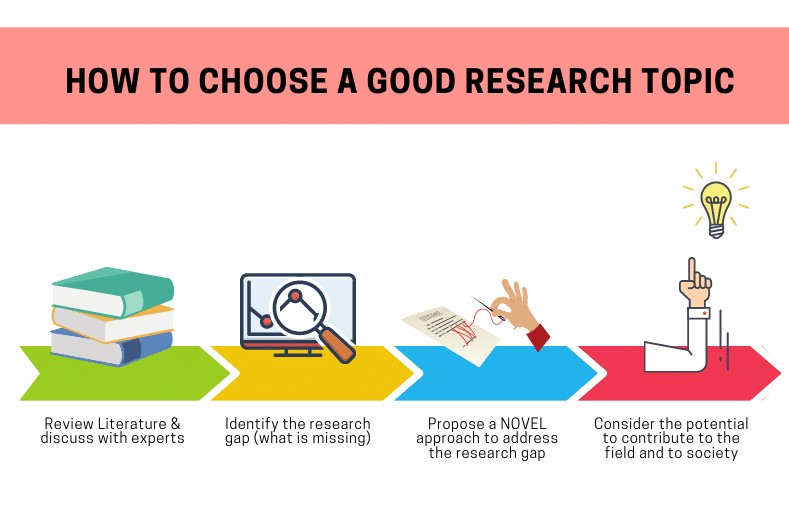
Struggling to choose a research topic for your thesis or project? This detailed guide explains step-by-step how to select a good research topic that is relevant, original, and feasible, helping you succeed in your academic journey.
Introduction
Every student who embarks on a thesis, dissertation, or final-year project faces one critical question: “What should I research on?”
Choosing a good research topic is often the hardest step in academic writing. A well-chosen topic can set the tone for your entire project, while a poorly chosen one can make the journey stressful, confusing, and even discouraging.
In this article, we will break down the strategic steps to choosing a good research topic, highlight common mistakes to avoid, and provide practical tips for students across different academic disciplines.
Why Choosing the Right Research Topic Matters

The topic you select is not just a title for your thesis—it is the foundation of your research journey. It determines:
- The direction of your study
- The resources you will need
- The methods of data collection and analysis
- The relevance of your research to society and your field
A weak or vague topic can make it difficult to find data, cause confusion in writing, and even lead to rejection during project defense. On the other hand, a good topic demonstrates your academic ability and can even open doors to future opportunities.
Step 1: Understand Your Field of Study
Before settling on a topic, you must understand the scope of your academic discipline. Each field has its unique areas of interest and pressing issues. For example:
- A computer science student might explore artificial intelligence, cybersecurity, or cloud computing.
- A sociology student could look into gender studies, urbanization, or social inequality.
- An economics student might research monetary policies, unemployment, or trade patterns.
Pro Tip: Start by reviewing your course outlines, departmental past projects, and recent academic journals to know what has already been covered and what areas need further study.
Step 2: Identify Your Interests and Strengths
Research can take weeks or even months to complete, so you should select a topic you are genuinely interested in. If you dislike your topic, you may lose motivation along the way.
Ask yourself:
- What subjects excite me the most in my field?
- Do I prefer a theoretical or practical study?
- Am I stronger in qualitative analysis (descriptive, interviews) or quantitative analysis (numbers, statistics)?
For example:
- If you enjoy working with numbers, a topic that involves statistical modeling may suit you.
- If you are more interested in human behavior, a qualitative approach might be better.
Step 3: Review Existing Literature
One of the best ways to identify a research-worthy topic is by reading existing literature. Reviewing past studies helps you:
- Understand what has already been studied.
- Identify gaps in knowledge that you can explore.
- Avoid repeating the same research unnecessarily.
Start by searching through:
- University libraries (past theses and dissertations).
- Google Scholar and ResearchGate.
- Academic journals in your field.
Example: If several studies have been done on the impact of social media on student performance, but few have explored the role of TikTok in shaping study habits, that could be a gap to fill.
Step 4: Ensure Relevance and Significance
A good research topic must be relevant to your field of study and significant to society or academics. Ask yourself:
- Does this topic address a current problem?
- Will the findings benefit society, industry, or academia?
- Is the topic aligned with my department’s requirements?
For instance:
- A medical student researching malaria resistance in rural areas is addressing a real-world problem.
- An engineering student studying renewable energy solutions for rural electrification contributes to sustainable development.
Step 5: Check Feasibility
Even if a topic is interesting and relevant, you must consider whether it is practical to research within the time and resources you have. Feasibility depends on:
- Time: Can you finish the study within your academic calendar?
- Resources: Do you have access to the data, equipment, or participants you need?
- Skills: Do you have the technical or analytical skills required to carry it out?
Example: Researching space exploration technologies may be interesting, but unless you have access to advanced data, it might not be feasible for a student project.
Step 6: Narrow Down Your Topic
Many students make the mistake of choosing a topic that is too broad. A broad topic makes it hard to focus, collect data, and provide meaningful results.
For example:
- Too broad: The effects of social media on education.
- Better: The effects of TikTok usage on academic performance of undergraduate students in Nigeria.
By narrowing your topic, you make it more specific, measurable, and research-friendly.
Step 7: Consult Your Supervisor or Academic Advisor
Your supervisor is a valuable resource in choosing the right topic. They have experience in research and can guide you in shaping your idea into an academically sound study.
When meeting your supervisor:
- Present 2–3 potential topics.
- Be open to feedback and adjustments.
- Ask whether your chosen topic meets the department’s standards.
Step 8: Draft a Working Title and Research Question
Once you have settled on a topic, create a working title and draft research questions. This gives your study a clear direction.
For example:
Working Title: The Impact of TikTok Usage on Academic Performance of Undergraduate Students in Nigeria.
Research Questions:
- How often do undergraduate students use TikTok?
- Does TikTok usage affect study time and academic performance?
- What strategies can help students balance TikTok use with their studies?
Common Mistakes to Avoid When Choosing a Research Topic

- Choosing a topic you don’t understand – You will struggle to explain it.
- Picking an over-researched topic – It becomes difficult to contribute anything new.
- Selecting a topic that is too broad – Narrow it down to something specific.
- Choosing based only on trends – A trendy topic may not have enough resources.
- Ignoring feasibility – Ensure the topic is achievable with your time and resources.
Final Tips for Selecting a Good Research Topic
- Choose a topic that interests you.
- Ensure it is relevant, significant, and feasible.
- Read widely before deciding.
- Always seek supervisor’s approval.
Conclusion
Choosing a good research topic is the first and most important step in writing your thesis or project. By aligning your interests with academic relevance, ensuring feasibility, and narrowing down your focus, you set yourself up for a smoother research journey.
Remember: A good topic is not just about finishing your thesis—it’s about contributing knowledge to your field.